
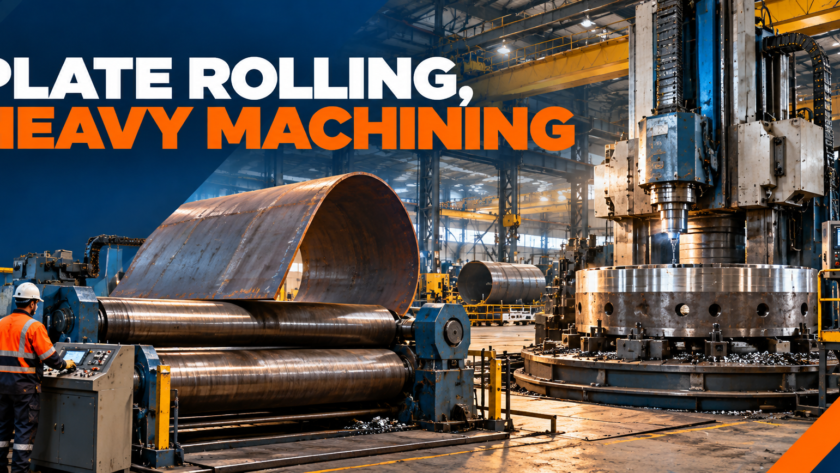
Plate Rolling Heavy Machining

Plate Rolling, Heavy Machining, and Dimensional Control in Industrial Fabrication

Plate rolling and heavy machining are essential processes for manufacturing large industrial components with accurate dimensions and reliable performance. For projects involving tanks, pressure vessels, and heavy steel assemblies, IESCON recognizes the importance of material selection, controlled fabrication, and dimensional inspection. Understanding how these processes work together helps project teams reduce rework, meet engineering requirements,…
Read More

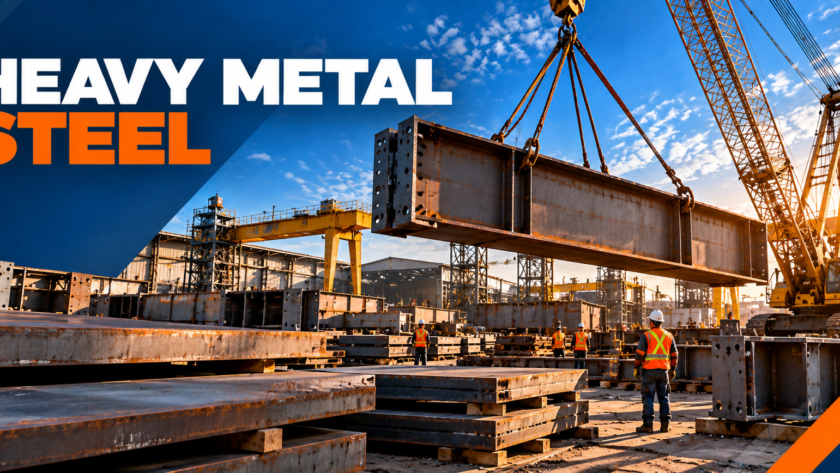
heavy metal steel

heavy metal steel

Heavy metal steel fabrication plays an important role in producing large industrial structures, equipment frames, storage tanks, and pressure-related components. For projects involving oversized components, IESCON emphasizes the importance of material verification, engineering accuracy, controlled welding, and documented inspection. Understanding these requirements helps project owners reduce rework, manage fabrication risks, and prepare components for safe…

Read More

Custom Pressure Vessel Fabrication vs Standard Equipment: When Is Custom Worth It?

Custom Pressure Vessel Fabrication requires careful planning to ensure that equipment meets process requirements, operating conditions, and applicable construction codes. IESCON supports industrial project requirements by helping teams understand the engineering and fabrication factors that influence equipment selection, project costs, and long-term performance. What Is Custom Pressure Vessel Fabrication? Custom pressure vessel fabrication is the…

Read More

hydro test of pressure vessel and Documentation: A Practical Project Guide

The hydro test of pressure vessel equipment is an important verification step in industrial fabrication and quality control. It helps confirm pressure-boundary integrity and identify leakage under specified test conditions. IESCON supports industrial project requirements by helping teams understand pressure testing, inspection, safety controls, and documentation needed for reliable project handover. What Is a…

Read More

Pressure Vessel Welding & NDT: What Procurement Teams Should Ask For

Pressure Vessel Welding & NDT requirements are essential when purchasing a pressure vessel because weld quality and inspection directly affect equipment integrity, code compliance, and project acceptance. IESCON supports industrial project requirements by helping teams understand fabrication, quality control, inspection, and documentation needs before manufacturing begins. What Are Pressure Vessel Welding and NDT? Pressure Vessel…

Read More

Carbon Steel vs Stainless Steel Pressure Vessels: What Drives the Selection?

Choosing between carbon steel and stainless steel is a critical step in pressure vessel engineering. Carbon Steel vs Stainless Steel selection depends on process conditions, corrosion resistance, operating temperature, fabrication requirements, and lifecycle cost. IESCON supports industrial project requirements by helping teams understand the engineering factors that influence pressure vessel materials, fabrication, and long-term…

Read More

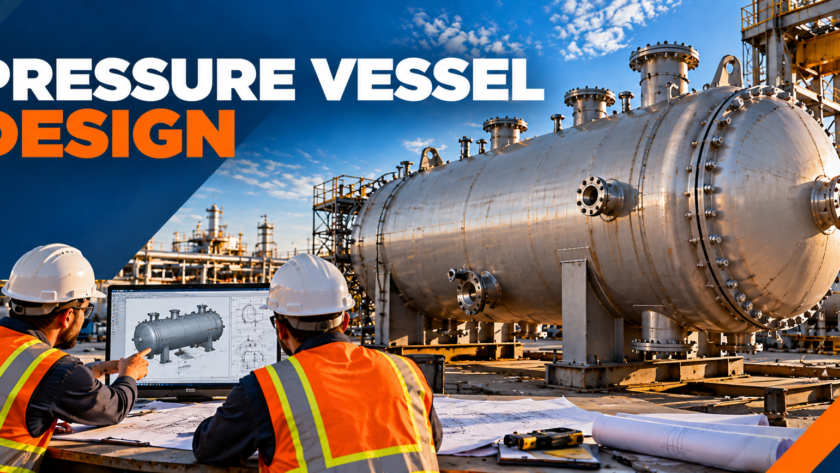
Pressure Vessel Design

Pressure Vessel Design Basis: Pressure, Temperature, Materials, and Process Conditions

A reliable Pressure Vessel Design begins with a clearly defined design basis. Before calculations or material selection, engineers must establish pressure, temperature, process conditions, corrosion requirements, and applicable codes. IESCON supports industrial project requirements by helping teams understand the technical factors that influence pressure vessel design, fabrication, safety, and long-term performance. What Is a…

Read More

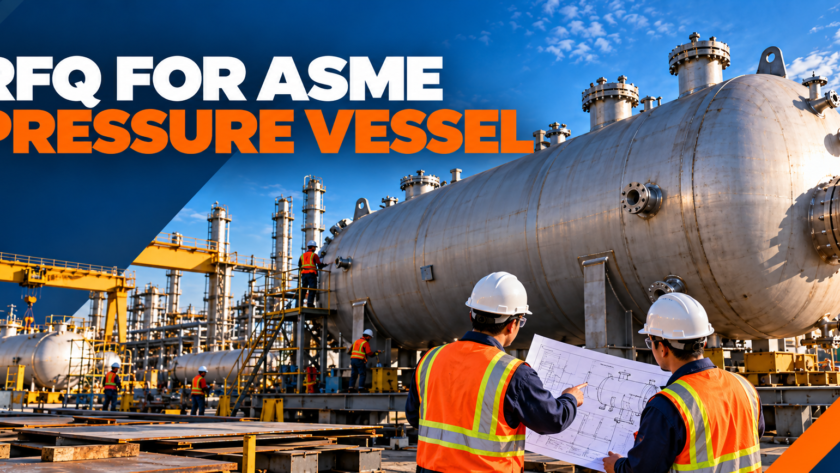
RFQ for asme pressure vessel

What Should an RFQ for ASME Pressure Vessel Fabrication Include?

When preparing an RFQ for ASME pressure vessel fabrication, buyers need more than vessel dimensions and a target price. A clear RFQ should define design conditions, materials, applicable ASME codes, welding, inspection, testing, documentation, and delivery requirements. For industrial projects, IESCON helps project teams organize these technical requirements into a clear fabrication scope. What…

Read More

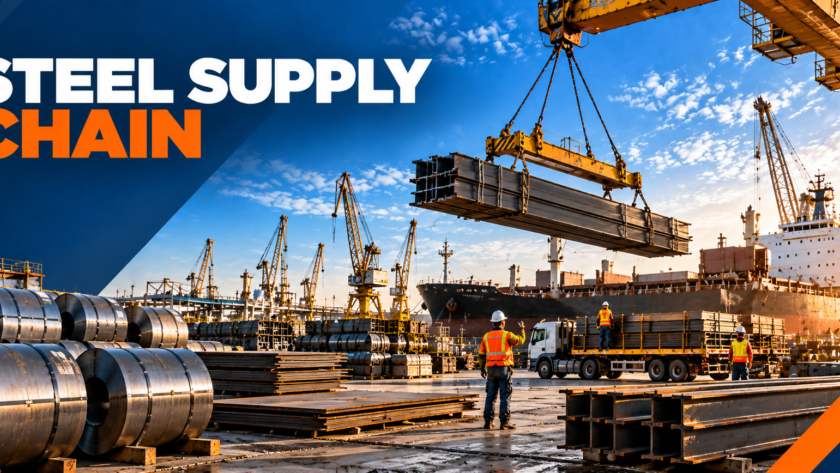
steel supply chain

How Material like steel supply chain Availability Can Delay a Storage-Tank Project—and How to Plan Alternatives

Steel supply chain availability can directly affect the schedule, cost, and execution of a storage-tank project. Steel plates, structural components, welding materials, and related items must arrive according to the fabrication plan. IESCON helps industrial project teams plan material requirements, procurement, fabrication, and tank execution to reduce avoidable delays caused by material shortages or long…

Read More

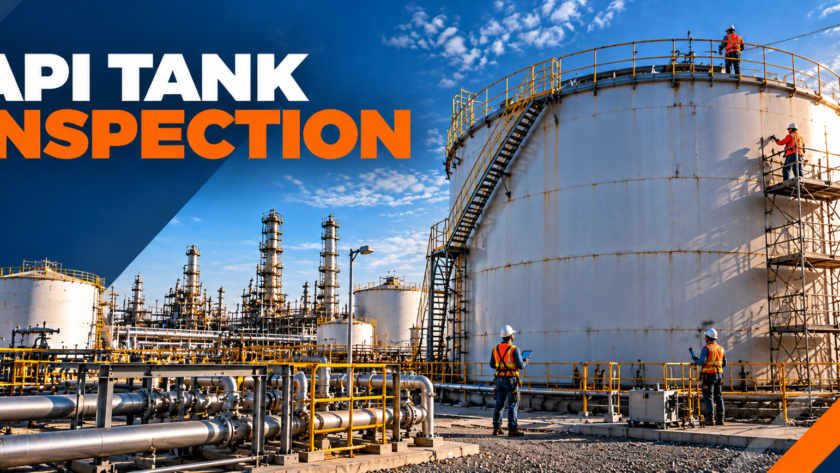
api tank inspection

Storage-api Tank Inspection and Documentation: What Owners and Procurement Teams Should Request

API tank inspection is essential for confirming the integrity, quality, and compliance of aboveground storage tanks. For owners and procurement teams, inspection is not limited to checking welds after construction. IESCON approaches tank inspection as a complete quality process covering materials, fabrication, welding, construction, testing, documentation, and final acceptance. What Is API Tank Inspection? …

Read More

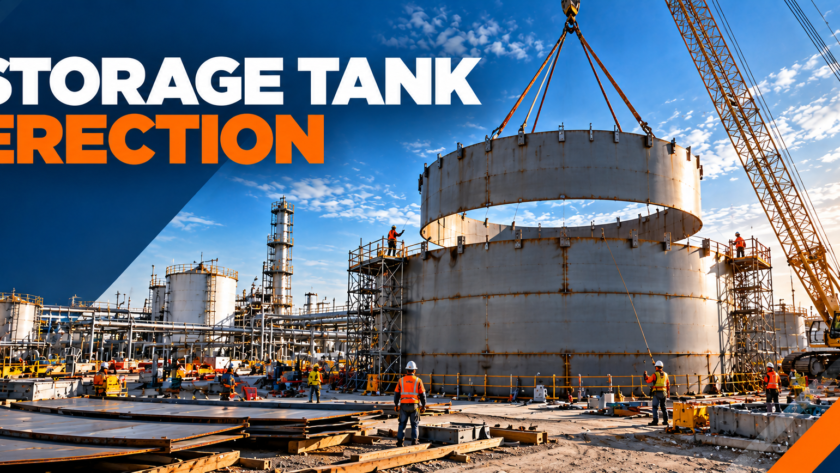
storage tank erection

API storage tank erection: Workshop Fabrication, Site Assembly, Testing, and Handover

Storage tank erection is a critical stage in industrial tank construction because the quality of field assembly directly affects tank integrity, safety, and long-term performance. From workshop fabrication and foundation preparation to welding, inspection, testing, and final handover, every step must follow an approved engineering basis. IESCON supports industrial tank projects with coordinated fabrication, erection,…

Read More

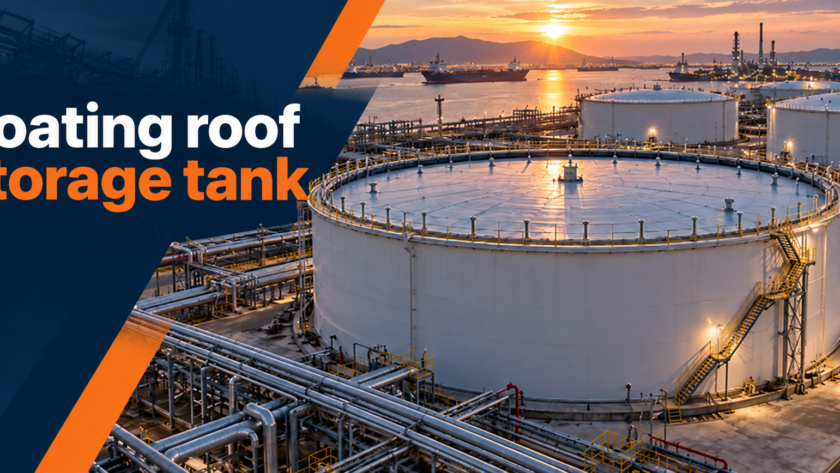
floating roof storage tank

Fixed-Roof vs Floating Roof Storage Tanks: How Project Conditions Affect the Choice

Choosing between a fixed-roof tank and a floating roof storage tank depends on more than tank size or initial cost. Product characteristics, vapor behavior, operating temperature, emissions, safety requirements, maintenance, and applicable standards all affect the final decision. IESCON helps industrial project teams evaluate these conditions and select storage tank solutions that match the…

Read More